Fundraising often gets talked about like a milestone. In reality, it’s a series of decisions about timing, leverage, investor fit, and control. At the Venture Atlanta 2025 Founders’ Breakfast, the conversation focused on how founders can navigate those decisions more effectively, from term sheets and due diligence to capital efficiency and long-term alignment.
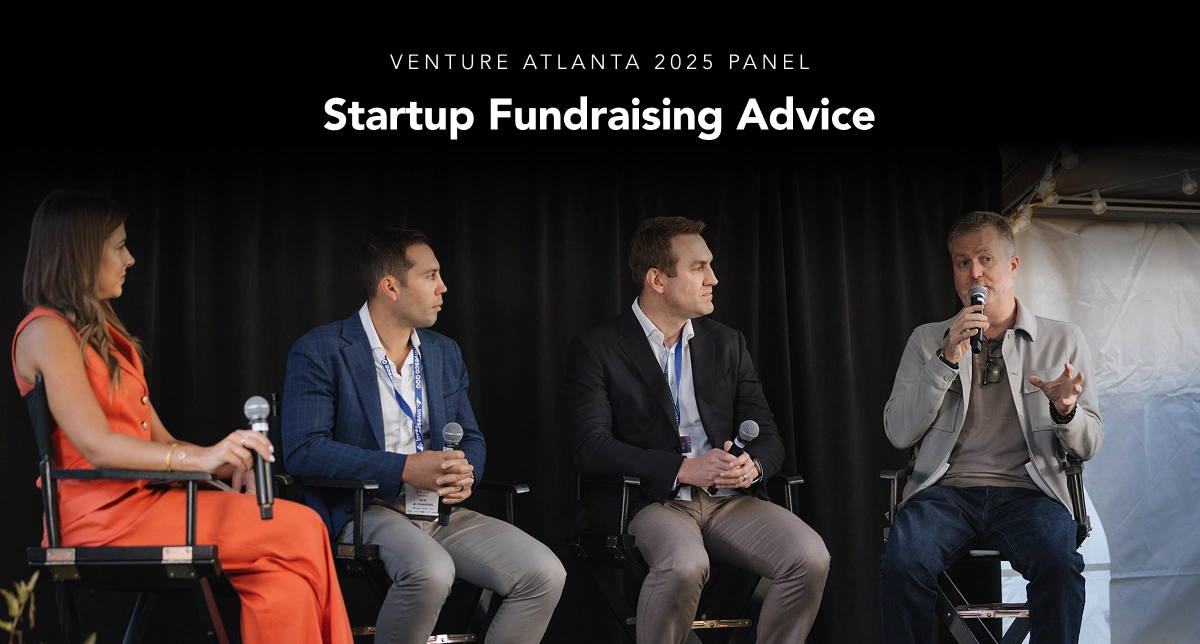
Moderated by Brooke MacLean, CEO of Marketwake, the session featured Michael Bauer, Managing Director at Sixth Street Partners; Joe Berklund, Partner at Gunderson Dettmer; and Sandy Donaldson, Co-Founder, President, and Chief Strategy Officer of Impiricus. The discussion dove deep into the realities founders face when evaluating investors, negotiating terms, and deciding when capital will actually help the business move faster.
Keep reading to learn the six pieces of startup fundraising advice they shared, and how to incorporate them into your company’s strategy.
Watch the Full Session
Key Takeaways
- Start investor relationships well before you need capital.
- Treat investor due diligence as a two-way process.
- Prioritize founder-investor alignment over headline valuation.
- Bring in a startup lawyer's advice earlier than you feel necessary.
- Be cautious of inflated offers tied to exclusivity.
- Startup capital efficiency can be a strategic advantage.
- Raise capital when it accelerates a validated opportunity, not just because it’s available.
Understand Your Term Sheet
A term sheet is a non-binding document that outlines the key terms of a potential investment, including valuation, ownership, governance, and investor rights. But this sheet doesn’t mean you’re at the finish line.
Term sheets mark the beginning of a more demanding phase of the venture capital deal process, where diligence intensifies, legal details matter more, and leverage can shift quickly.
The panelists emphasized that founders should not mistake momentum for certainty. A signed term sheet may show real interest, but it also opens the door to exclusivity, negotiation pressure, and the need for experienced guidance. Founders who understand that dynamic early are better positioned to protect both the deal and the business.
“The average fund-company relationship lasts longer than the average marriage.”
— Joe Berklund, Partner, Gunderson Dettmer
That is what makes the earliest decisions so important. Because fundraising is not just about getting to a “yes,” it’s about choosing who gets a seat at the table after the deal closes.
Vet Investors Before Signing a Term Sheet
Some of the most useful startup fundraising advice from the panel centered on a simple idea: founders should vet investors as seriously as investors vet companies.
A strong brand name or a high valuation does not tell a founder what that investor will be like in a board meeting, during a rough quarter, or when priorities start to diverge.
A great example of this came from Donaldson. He explained that as Impiricus grew, he stayed selective about the capital they would take on because maintaining control and cultural alignment mattered more than taking money for the sake of growth.
Founders should always evaluate investors against the company’s own values, not just the market’s perception or prestige. Humility, boardroom behavior, and operating style all matter when the relationship becomes long-term.
If you’re thinking about how to vet investors, here are a few practical steps:
- Run independent reference checks.
- Talk to founders who have experienced friction, not just smooth outcomes.
- Ask who will actually be involved after the deal closes.
- Make sure you are speaking with decision-makers.
- Ask for a letter of intent-to-close history when relevant.
Diligence should not be one-directional. Founders should ask questions about how often deals close, how often they close at the original price, and how the firm behaves once it is inside the company. That is often where the most revealing information lives!
Watch for Red Flags During Startup Fundraising
Not every deal risk is obvious at the start of a process. Some only appear once a founder is deep into the round and momentum is hard to walk away from. That is why identifying startup investor red flags early matters. Here are some of the most common ones our panelists noted:
1. Misalignment on Risk
Bauer described this as one of the most important issues in diligence. A founder may want to run a disciplined, capital-efficient business, while an investor may want aggressive growth at all costs. Neither approach is inherently wrong, but a mismatch between the two usually creates conflict later around spending, hiring, and expectations.
2. How a Company’s Numbers Are Presented
Investors understand that every business has metrics that need work. What raises concern is when data is massaged in a way that makes performance look cleaner than it really is. Once trust starts to erode in diligence, it becomes much harder to maintain confidence in the rest of the process.
3. Inflated Offers That Change Once Exclusivity Begins
Some firms use aggressive pricing to win a deal, then retrade once the founder is boxed in. This is one of the clearest examples of why founders need to understand not only what is being offered, but who is offering it.
Involve a Lawyer Early
One thing the panelists could all agree on is that founders tend to bring in legal counsel too late. Founders should talk to a lawyer six months before they think they need one. The real value of counsel shows up well before final documents are circulating.
That is because good startup lawyer advice is about context. An experienced lawyer can explain:
- What the market is
- What is worth pushing on
- What is noise
- What could create problems later
They can also provide insight into investor reputation, help founders avoid accidentally giving away leverage, and keep the process moving when tension rises.
The discussion also made a strong case for specialization. Founders need counsel who regularly handles financings and understands how these deals actually move. That expertise can save time, reduce friction, and prevent expensive mistakes that show up when the wrong lawyer tries to apply an incorrect framework to a startup transaction.
“There’s nothing more expensive than a cheap lawyer.”
— Joe Berklund, Partner, Gunderson Dettmer
Know When to Bootstrap Your Company
One of the strongest sections of the conversation focused on startup capital efficiency and the role timing plays in a raise. Donaldson shared that after Impiricus raised a $3 million seed round, the company chose not to raise again for years.
Instead, it focused on control, careful hiring, and efficient execution. That discipline helped the company grow without taking on additional pressure before it was necessary.
His point was not that every founder should avoid venture funding. It was that more capital is not automatically the same thing as better growth.
In some cases, extra money creates unnecessary spending and weakens the discipline that helps a company find the right path. In other cases, outside capital becomes valuable only once the business has a clearer product-market fit and a specific opportunity to accelerate.
That was some of the strongest startup fundraising advice shared at the conference. The takeaway for founders is not to “always bootstrap” or “always raise.” It’s raised when capital removes a real constraint and clearly supports the next phase of growth.
Skillfully Manage the Relationship From Term Sheet to Close
The panelists gave a glimpse into what happens after a term sheet is signed, because even strong deals can break down when expectations are unclear. Founders and investors should align early on how long the process is likely to take, what the diligence flow will look like, and where outside advisors will step in. Without that clarity, normal friction can quickly feel like a sign that something is wrong.
Bauer encouraged founders to ask a better question when negotiations stall: Why does this term matter?
That often reveals the real issue behind the debate, whether it is fund structure, risk tolerance, timeline pressure, or something else. Once that is clear, the process becomes less about arguing over what is “market” and more about solving the actual problem.
Investors do this work all the time, and founders usually do not. That creates a real risk when founders casually agree to legal points in business conversations before clearing them with counsel. The safer move is to keep discussions moving, but make clear that the final agreement depends on legal review.
Other Fundraising Decisions Founders Should Address Early
Not every fundraising issue starts with the term sheet. The panel also pointed to a few operational decisions that can shape how smooth a raise becomes once investors begin diligence.
1. Get Your Team Structure in Place Before a Raise
There is no universal right answer between full-time and fractional hires. What matters more is readiness. Founders should have the right financial and operational support in place before a process starts, rather than trying to fill critical gaps in the middle of a round.
2. Resolve Entity Structure Questions Early
Converting from an LLC to a C-corp is common, but it requires careful attention to tax basis, debt, and structure. With the right legal and accounting support, the process is manageable. Left too late, it can create unnecessary friction during the financing process.
3. Stay in Touch With Counsel Before a Deal Is Live
If there’s anything to take from the panel’s startup fundraising advice, it’s this.
Founders should not wait until a live transaction to start communicating with counsel. Berklund recommended simple check-ins tied to major company milestones, which can help founders stay better positioned for advice, introductions, and faster action when timing matters.
Ready to Get Your Company Closer to Funding?
Venture Atlanta gives founders a platform to expand reach, build relationships, and connect with capital across the Southeast—all in just 48 hours.
Apply to pitch to get your company in front of 400+ high-density investors looking for their next partnership, or register to attend the conference for exclusive industry insights, networking opportunities, and targeted investor meetings.
Frequently Asked Questions
What is a term sheet, and why does it matter for startup founders?
A term sheet is a non-binding document that outlines the main terms of an investment, including valuation, governance, ownership, and investor rights. It matters because it shapes the rest of the process and often introduces exclusivity, which can change a founder’s leverage quickly.
How should founders vet potential investors before signing a term sheet?
Founders should do independent reference checks, talk to other founders who have worked with the firm, ask how often signed deals actually close, and understand who will be involved after the deal. Strong investor due diligence helps prevent misalignment before it becomes a larger problem.
What are common red flags founders should watch for during fundraising?
Common startup investor red flags include misalignment on risk, misleading metrics, inflated offers that get retraded under exclusivity, and investors who create more pressure than value. In most cases, the deeper issue is a poor fit rather than a single bad term.
When should a startup involve a lawyer in the fundraising process?
Earlier than most founders think. The panel’s guidance was to involve experienced counsel months before a raise begins so they can help with strategy, negotiation, process management, and investor evaluation, not just document review.
Is it better for startups to bootstrap or take venture capital funding?
That depends on what the capital will unlock. Startup capital efficiency can help founders preserve control and operate with discipline, but outside capital makes sense when it clearly accelerates a validated opportunity and removes a real bottleneck to growth.
What questions should founders ask investors during due diligence?
Founders should ask how often signed term sheets close, how often they close at the original price, what the investor is like in the boardroom, how long diligence typically takes, and why certain terms matter. Those questions help reveal founder-investor alignment before the relationship becomes binding.